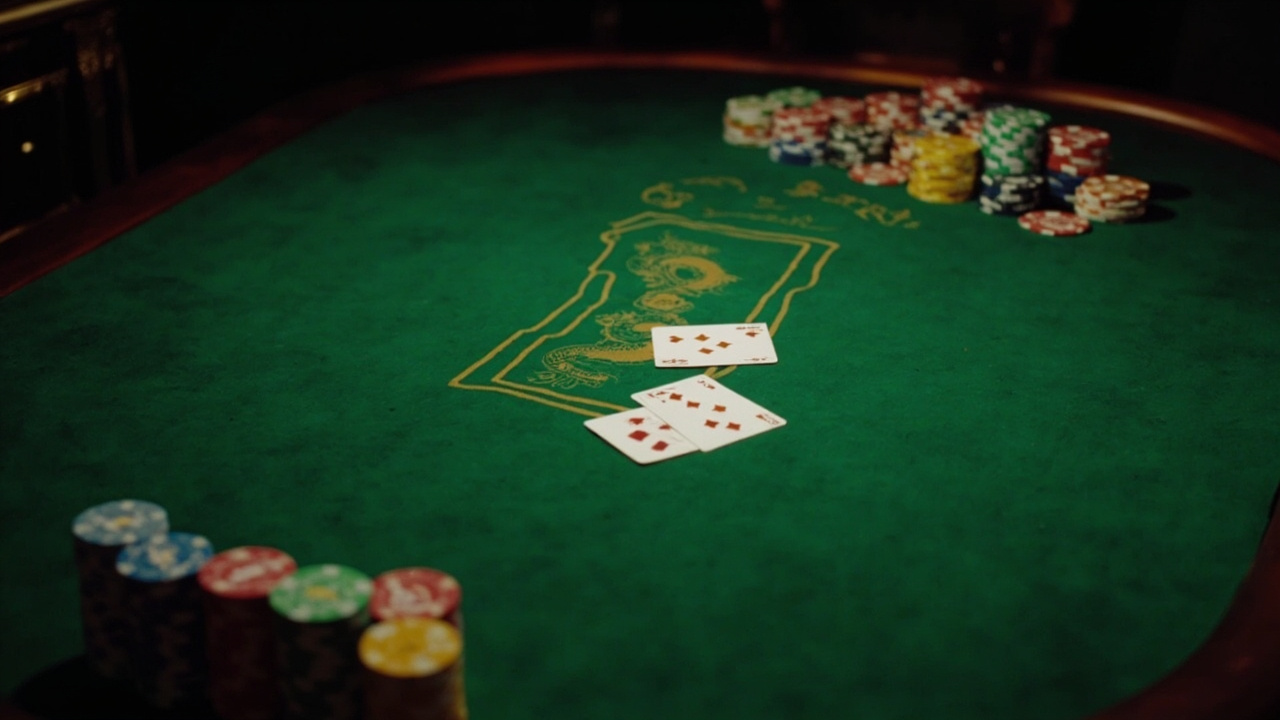
Roulette looks simple from the lounge chair – a wheel, a ball, a flicker of hope – but the real decision is where you place your chips. Understanding roulette inside and outside bets is what separates a casual arvo punt from a considered session, and the difference shows up in how long your bankroll lasts on a busy Saturday night. After two decades building comparison sites in this space and watching regulated markets mature, I reckon the bet layout is where most players gain or lose their edge. If you’re weighing up where to play, bonusrocketplay.org/aus/ is worth a look for an Australian-tuned lobby with AUD-friendly tables and clear stake ranges.
Knowing which bets carry the lowest house edge and which ones pay back the highest multipliers lets you structure a plan that fits your style. If you want a quick rundown of beginner-friendly options and the payouts that come with them, check out https://bonusrocketplay.org/aus/. From there, you can scale up to more advanced strategies or keep things light and social, depending on the vibe you’re after.
How the betting grid is actually organised
The roulette table splits wagers into two zones, and they behave very differently in practice. Inside bets sit on the numbered grid (0-36, plus 0 and 00 on American wheels) and pay higher odds because the chances of landing are slimmer. Outside bets ring the perimeter and cover broader outcomes – red or black, odd or even, dozens, columns – with shorter payouts but more frequent wins. As Olivia Harris, Digital Acquisition Director at Boomerang Gaming Insights, puts it: “Inside bets are the sprint, outside bets are the marathon. Players who mix both usually last longer at the table.”
A useful mental model: treat inside wagers as your speculative shots and outside wagers as your structural bets. A straight-up on 17 might pay 35:1, but a column bet pays 2:1 and lands roughly a third of the time. Balance is everything, and balance is what most recreational players skip.
Comparing inside bet types with real stakes in mind
Inside bets aren’t one category – they’re a family, and the risk profile shifts as you widen the coverage. A straight-up covers one number; a split covers two; a street covers three across a row; a corner touches four; a six-line (or double street) covers six. Each step wider cuts the payout but improves the hit frequency. On a European wheel with a single zero, the house edge holds steady at 2.7% regardless of which inside bet you choose – the math doesn’t punish your style, your variance does.
A mate from Wollongong swears by corner bets because the 8:1 payout feels generous without the dead-silence of waiting on one number. Another regular at my local RSL prefers a single split on two numbers he picks from the previous day’s draw, treating it almost like a small ritual. Neither approach is wrong; both reflect appetite for variance. The key, as any seasoned player in regional New South Wales will tell you, is to define your unit size before the wheel spins and never scale up mid-session to “chase” a miss.
Outside bets, pacing, and the maths of staying in the game
Outside bets are the quiet workhorses of the roulette layout. Red/black, odd/even, and high/low all pay 1:1 and land just under half the time on a European wheel – a steady drip that keeps your stack moving rather than stalling. Dozens and columns pay 2:1 and hit about a third of spins, which is a nice middle ground when you want a bit more swing without going full single-number. Because the house edge on a European table applies equally across these bets, the choice is really about rhythm, not theoretical return.
This is where session design matters more than bet selection. A short 30-minute session built on even-money outside bets with a modest progression plan will feel completely different from an hour of straight-ups, even though the long-term house edge is identical. If you’ve come off a heavy week at work and just want the wheel turning while you have a beer, outside bets keep the bankroll calm. If you’re there for a calculated shot and you’ve set a strict stop-loss, inside bets earn their keep.
Which style fits how you actually play
Picking between inside and outside bets isn’t a moral question – it’s a fit question, and it depends on the session you’re planning. Inside bets suit shorter, more focused play with a defined ceiling; outside bets suit longer, more relaxed play with steady movement. Mixing the two – a column bet as your base with occasional straight-up splashes – is the most common approach I see among experienced Aussie punters, and it’s the one I’d point a newcomer toward if they asked for a single starting point.
For the player-fit verdict: if your priority is staying at the table and watching your balance move, lead with outside bets and treat inside wagers as flavour. If you’d rather press for the bigger payout and accept the silence between wins, build around inside bets and cap your session tightly. Either way, the grid is the same, the math is the same, and the only variable that truly changes is how your evening feels. For a deeper breakdown of wheel mechanics and safer play habits, this primer on how roulette works is a solid companion read before you next place a chip on the layout.

Roulette rewards patience, clarity, and a plan you actually follow – not a hunch dressed up as a system. Pick your zone, size your units, and let the wheel do what it does. The best sessions I’ve watched in clubs from Sydney to the Hunter weren’t the loudest, just the most disciplined, and that’s the part no bet layout can give you.